📞 24/7 free expert line: +90 216 888 15 46 — we're with you within seconds of an accident
May 29, 2026
How to Open an Insurance Claim File
After a material-damage accident, the repair bill is only half the story — the other half is getting your insurance to pay for it. That starts with opening a claim file. Done well, the file moves quickly and you get reimbursed without friction. Done carelessly, it bounces back for missing documents and drags on for weeks. Here is how to do it right.
What is a claim file?
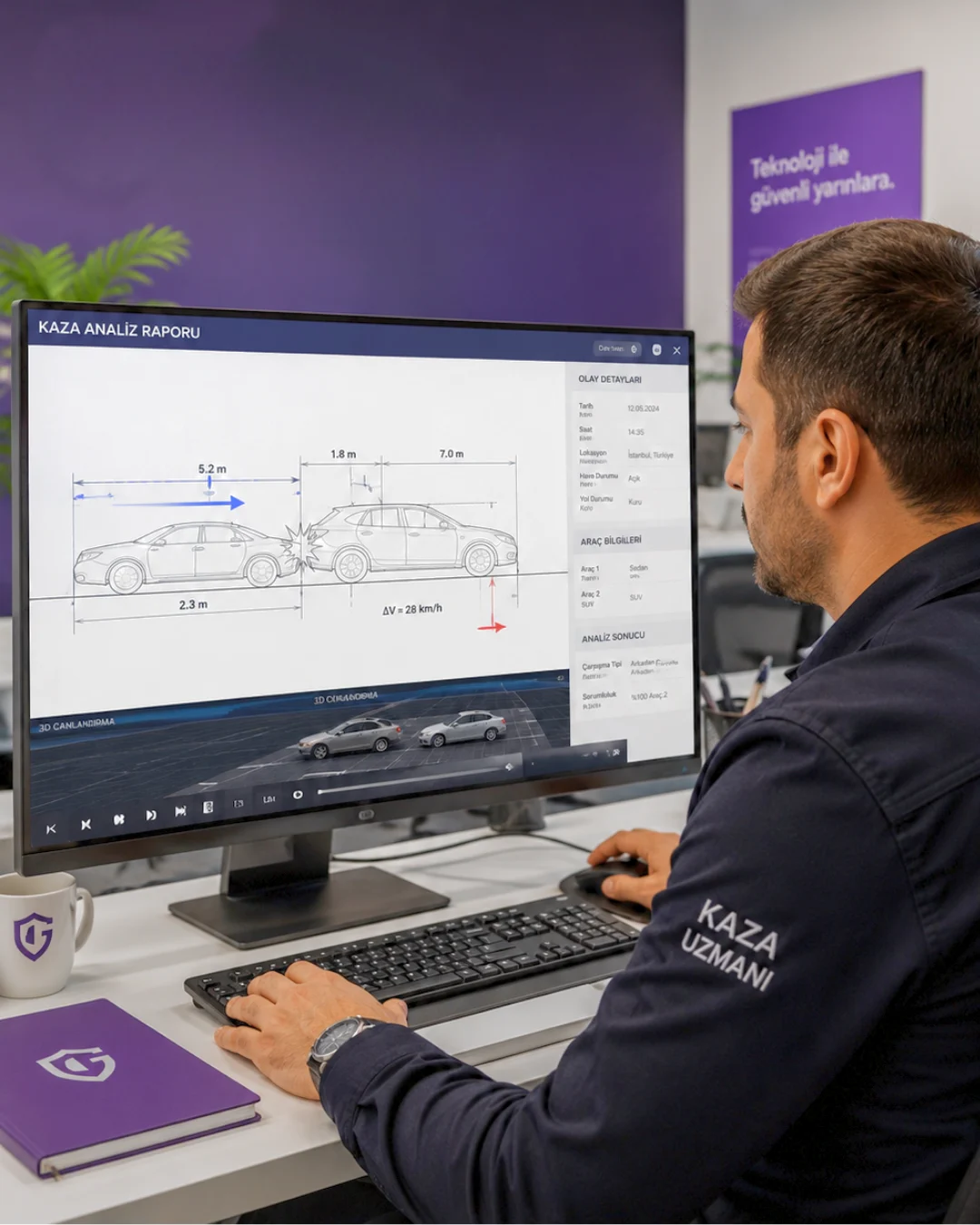
A claim file is the package of evidence and forms your insurer uses to assess the damage, evaluate liability, and decide payment. The stronger and more complete your file, the smoother the process. One valuable item in it is a material-damage traffic accident report prepared by an authorised registered insurance adjuster under Law 5684, article 22/17, because it can contain a technical opinion and scene sketch.
Step 1: Gather your core documents
Before you contact anyone, collect:
The accident report — ideally the adjuster-prepared report, not just a self-completed form
Photos and videos of the scene and the damage
Your driver’s license and vehicle registration
The other driver’s details and insurance information
Your own policy number and insurer contact details
Having everything in one place before you make the first call saves you from repeated back-and-forth.
Step 2: Decide which insurer to claim from
In a fault-based material-damage accident, the at-fault driver’s mandatory traffic insurance generally covers the damage to the not-at-fault party’s vehicle. If you have comprehensive (kasko) cover, you may claim through your own insurer instead, which can be faster — though it may affect your no-claims discount. This is why the adjuster’s technical assessment can matter: it supports the claim file. See our explainer on the adjuster-approved accident report.
Route
When it fits
Trade-off
Other party’s traffic insurance
You are not at fault
Protects your no-claims discount
Your own comprehensive (kasko)
You want speed, or fault is shared
May affect your discount
Step 3: Notify and open the file
Contact the relevant insurer and report the accident. Most insurers let you open a claim by phone, app, or online. Provide your policy number and the accident details, and you will receive a claim (dosya) number — write it down and reference it in every future contact. There are notification deadlines in many policies, so do not delay.
Step 4: The damage assessment
The insurer will arrange for the damage to be inspected, often at a contracted service or by an adjuster. Make your photos and the accident report available. If a licensed adjuster already documented the scene through a service like Alo Tutanak, this stage can move faster because the file already includes a technical assessment.
Step 5: Repair and reimbursement
Depending on your policy and the insurer, you may use a contracted repair shop (direct payment) or pay and get reimbursed. Keep every invoice and receipt. If anything is missing from the file, the insurer will ask for it — respond quickly to avoid restarting the clock.
Common reasons a claim stalls
Missing or low-quality photos of the scene and damage
No clear technical assessment, so insurers request more evidence
Late notification past the policy deadline
Incomplete personal or vehicle documents
A scattered file — keep the report, photos, and policy together
Almost every one of these traces back to a weak accident report. That is why securing a proper, adjuster-signed report at the scene pays off later.
How long does a claim take?
The timeline depends on the size of the damage, how clear the fault is, and how complete your documents are. In general:
Complete files with clear fault resolve noticeably faster.
Files with missing documents or disputed fault drag on through requests for extra information or inspections.
Unresolved disputes may escalate to the Insurance Arbitration Commission.
This is why good documentation at the very start shortens every later stage. When fault is technically established, there is simply less for the insurer to question.
How to organise your file
A scattered file slows you down as much as a missing document. A practical setup:
Keep all photos and videos in one folder.
Store digital (and, if you have it, printed) copies of the report.
Note your policy number, claim number, and insurer contact details together.
Log the date of each contact and who you spoke to.
Collect repair/assessment documents and invoices in the same place.
This simple structure lets you produce any document the insurer asks for in seconds, and cuts the risk of the clock restarting.
How Alo Tutanak helps
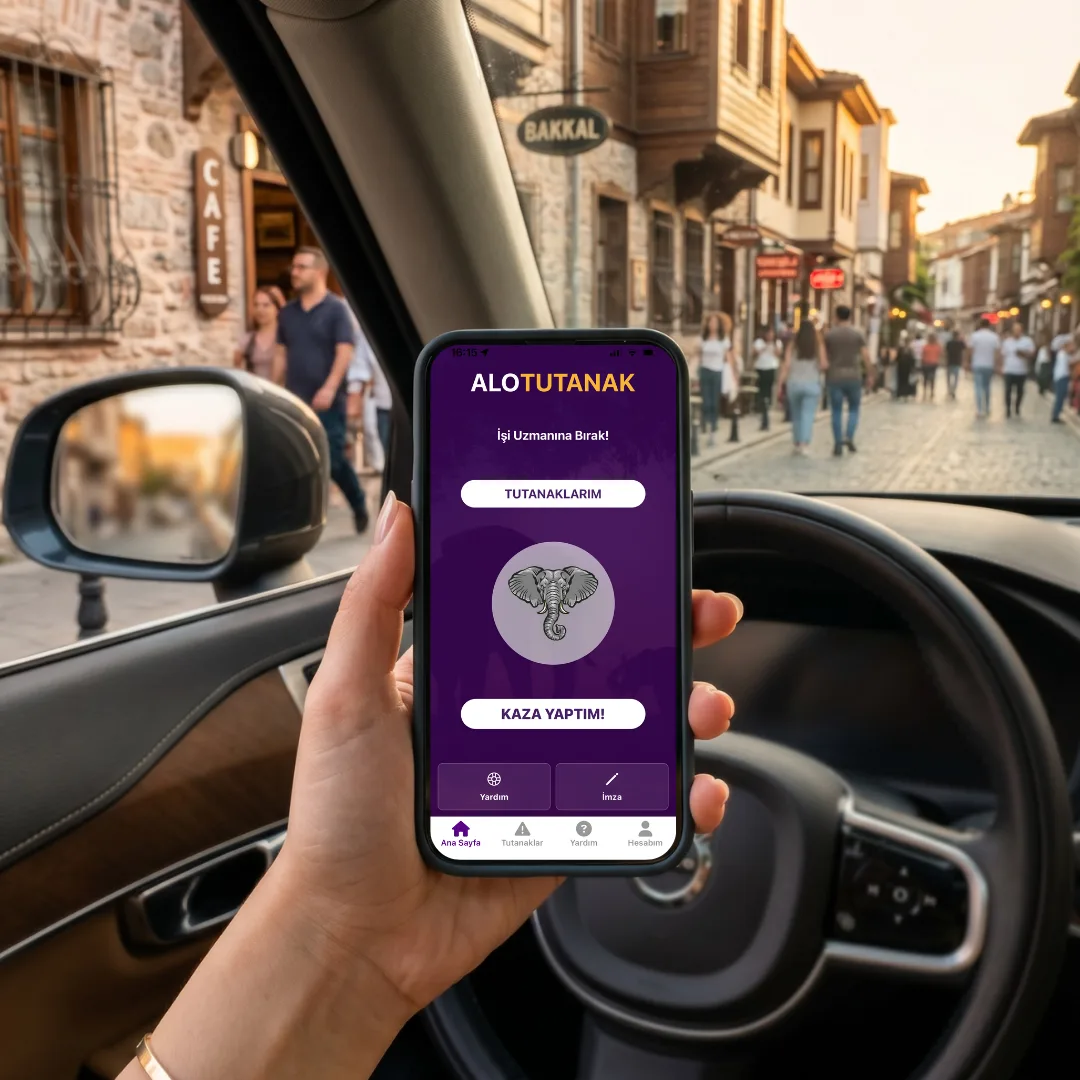
When you call our 7/24 line — answered in about 45 seconds, by a service operating since 2017 — our experts guide you on the spot, and a licensed adjuster prepares a report. The app, call line and guidance are free; the adjuster fee process is handled under Law 5684 art. 22/19 and the relevant insurance contract terms. The service covers all 81 provinces and runs remotely. You walk away with structured evidence for your claim file. Learn how the flow works on our what to do at the accident page, or download the app so it is ready before you ever need it.
Frequently asked questions
Should I claim on kasko or the other party’s traffic insurance?
If the other driver is at fault, claiming on their mandatory traffic insurance protects your no-claims discount. Kasko is often faster but may reduce that discount. The adjuster’s technical assessment can help support this decision.
Is there a deadline to notify my insurer?
It varies by policy, but the rule is simple: notify as soon as possible. Delays put your claim at risk.
Will I pay for the adjuster report?
The app, call line and guidance are free. The adjuster fee process is handled under Law 5684 art. 22/19 and the relevant insurance contract terms.
What if my claim is rejected?
If a dispute persists despite the evidence, you can apply to the Insurance Arbitration Commission or pursue legal remedies. At that stage, an adjuster’s report is your most valuable document.
A claim file is not complicated when you have the right pieces. Gather your documents, open the file promptly, keep your records, and let solid evidence do the heavy lifting.
When an accident happens, you do not want to read a manual — you want help, fast, and a result you can trust. That is what Alo Tutanak is built for. Here is exactly how it works, f
After a material-damage accident, two very different documents are often confused with each other: the mutual report that drivers fill out themselves, and the report prepared b
Right after a collision, one of the first questions is: do I need to call emergency services? In Türkiye, emergency health, police, gendarmerie, fire and disaster response are rout
Don't wait — install it today.
Setting up the app before you ever need it is what saves you when seconds count.